
Kitten Insurance: When to Start and What to Compare
Kitten insurance is generally easiest to evaluate before a kitten develops a long medical history. Check the minimum enrollment age, waiting periods, pre-existing-condition definition, accident-and-illness benefits and whether routine kitten care is only available through a separate wellness benefit.
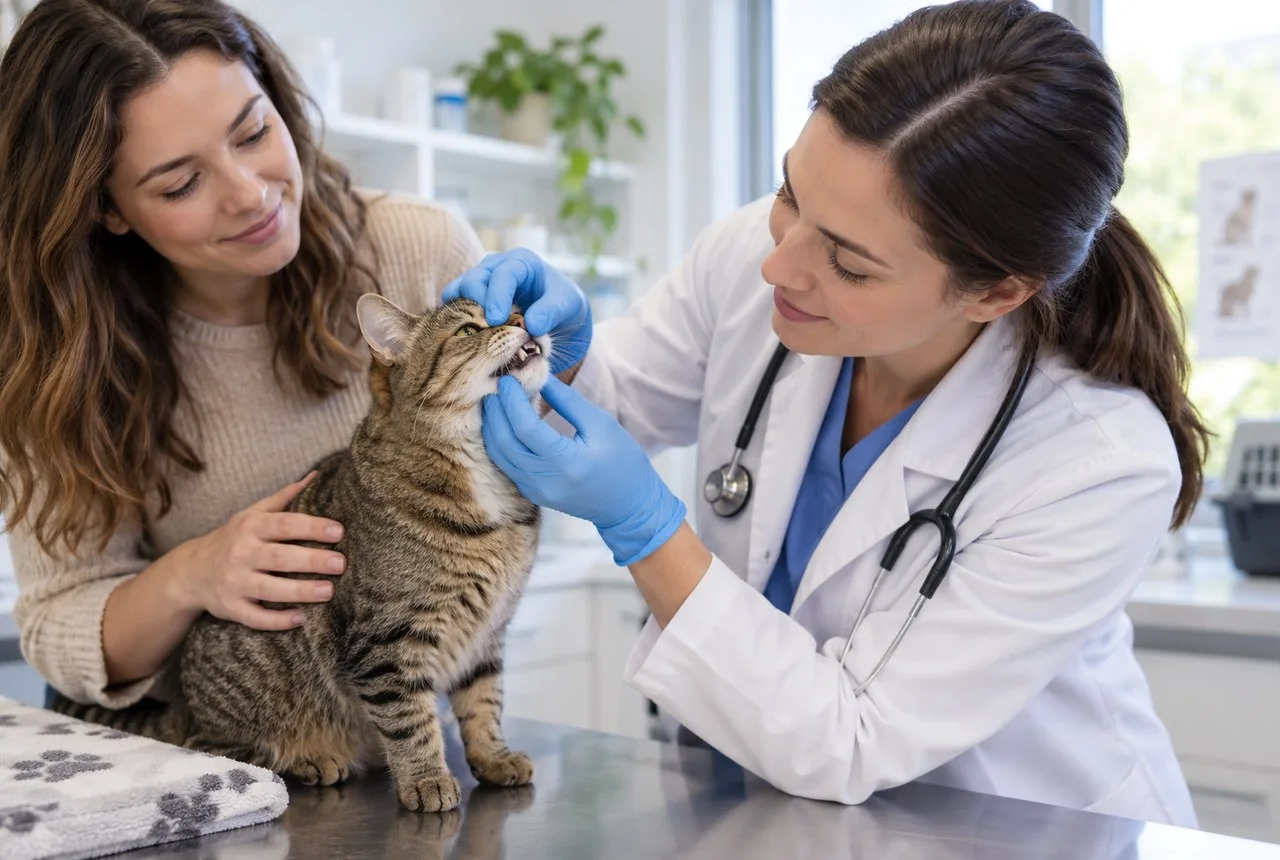
A kitten’s early enrollment can reduce the amount of prior medical history that predates the policy, but waiting periods and exclusions still apply. Routine kitten visits and vaccinations may require a wellness benefit rather than accident-and-illness coverage.
Kitten insurance is mainly an enrollment-timing decision
A kitten often has less accumulated medical history than an older cat, so enrolling before new symptoms are documented can preserve more future-option value. That does not erase anything already noted in the record, and waiting periods still apply.
First records
Gather adoption/breeder records and the first veterinary exam.
Enrollment
Record the exact policy effective date while the current history is known.
Waiting periods
Mark when accident and illness eligibility can begin.
Later events
Keep future symptoms and treatment dated against that timeline.
Separate kitten preventive care from medical-risk insurance
AAHA/AAFP life-stage guidance treats kitten care as a distinct veterinary stage. Vaccinations, parasite control and sterilization planning are important health tasks, but they are not automatically core accident-and-illness benefits.
Predictable kitten care
Price vaccines, routine exams and spay/neuter through a wellness schedule only if the policy offers one and the math works for you.
Unexpected future care
Evaluate the medical policy for eligible accidents and illnesses after effective dates and waiting periods.
Choose settings that can remain affordable beyond kittenhood
The cheapest kitten premium is not automatically the best long-term fit if the deductible, reimbursement or annual limit will need to be redesigned immediately as the cat ages.
- Check whether the insurer changes options or eligibility at later ages.
- Choose an annual limit that matches the level of large-claim risk you want to transfer.
- Keep wellness spending separate so it does not mask the medical premium.
- Save the initial policy form and each renewal change.
Sources used for Kitten Insurance
These sources support the regulatory, market or veterinary facts used for kitten insurance. Policy terms can change, so the current policy form controls.
Regulatory context and consumer protection framework.
Open official source → NAPHIA Pet Insurance Buying GuideCoverage types, common exclusions, waiting periods and buying considerations.
Open official source → AAHA/AAFP Feline Life Stage GuidelinesKitten and feline life-stage context.
Open official source →Compare Current Pet Insurance Rates
Check current options for your pet and location, then compare the policy details, exclusions, costs, and eligibility before choosing.